
UWWTD 2: Solutions already exist to transform wastewater treatment plants

A new ambition for protecting water resources and aquatic ecosystems
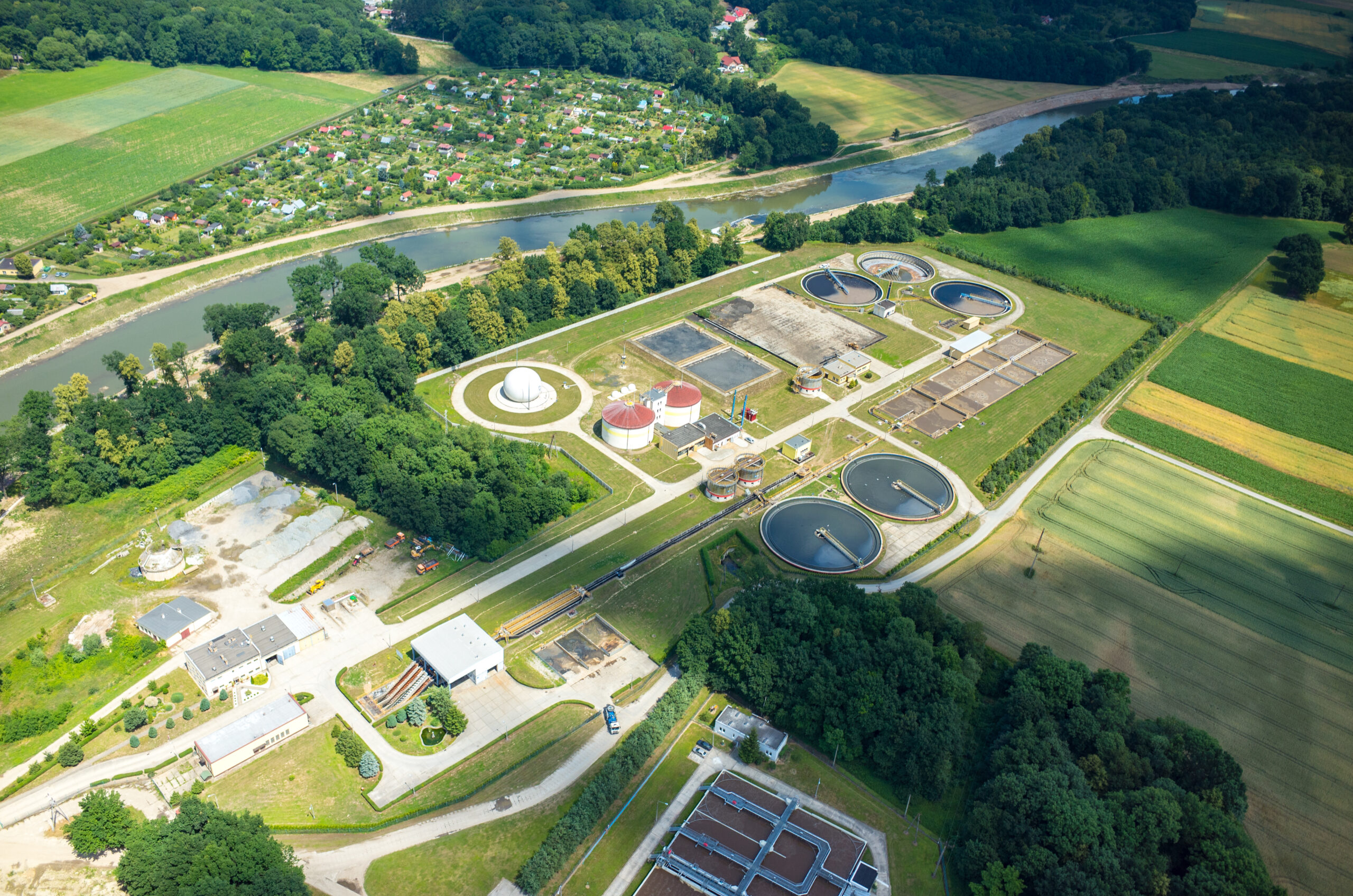
With the revision of the Urban Wastewater Treatment Directive (UWWTD), the European Union is ushering in a major transformation in wastewater management.
Beyond improving treatment performance, the revised directive extends its scope to the entire wastewater management system: wastewater collection, management of stormwater overflows, removal of micropollutants, reduction of energy consumption, and development of the circular economy. The new requirements will be phased in progressively, with major deadlines between 2030 and 2045.
For local authorities, the challenge is twofold: upgrading their infrastructure to meet the new requirements while controlling investment, operating costs and the environmental footprint of their facilities.
Our conviction: UWWTD 2 is not merely a regulatory constraint. It is an opportunity to accelerate the transition towards more efficient, resource-efficient and circular wastewater management.
Practical solutions to address the challenges of UWWTD 2
- Removing micropollutants to better protect aquatic ecosystems
UWWTD 2 provides for the gradual introduction of quaternary treatment to reduce certain micropollutants discharged from wastewater treatment plants.
With CarboPlus®, its patented fluidized-bed activated carbon treatment process, Stereau offers a proven technology capable of removing a broad range of micropollutants, including pharmaceutical residues and substances found in cosmetic products.
Already installed at numerous wastewater treatment plants in Switzerland, including Delémont, Yverdon-les-Bains and Bern, as well as in France, CarboPlus® demonstrates our ability to anticipate regulatory developments through operational solutions.
- Renforcer le traitement de l’azote et du phosphore
Reducing nitrogen and phosphorus discharges is another major priority to limit eutrophication and preserve aquatic biodiversity.
To meet the new requirements, Stereau draws on a range of solutions tailored to each facility’s characteristics, including the optimization of biological treatment processes, membrane technologies such as Aqua-RM®, developed through our partnership with Kubota, and additional treatment stages.
Our partnership with BKT/Tomorrow Water also enables us to offer PROTEUS® upflow biofiltration technology in France and Switzerland. Available in several configurations, this technology optimizes primary and biological wastewater treatment.
The objective is to design efficient, adaptable treatment processes that meet the specific constraints of each territory.
- Reducing energy consumption and producing renewable energy
UWWTD 2 sets the wastewater sector on a path towards energy neutrality at national level by 2045.
Achieving this ambition requires action on two complementary fronts: reducing the energy needs of treatment facilities and increasing renewable energy production.
Stereau addresses both challenges, from optimizing aeration systems and replacing energy-intensive equipment to recovering energy from sewage sludge. Anaerobic digestion, in particular, makes it possible to convert sewage sludge into biogas. In addition, biological methanation, resulting from our partnership with Enosis, opens up new opportunities to convert CO₂ generated during sludge digestion into renewable methane.
Together, these solutions contribute to transforming wastewater treatment plants into facilities that produce valuable resources and energy.
- Preserving water resources and advancing the circular economy
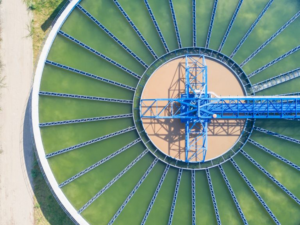
UWWTD 2 also encourages treated wastewater reuse and the recovery of valuable resources contained in wastewater.
With Aqua-RM®, Stereau implements membrane treatment processes capable of producing high-quality treated water suitable for various reuse applications, following additional treatment where necessary, particularly UV disinfection.
In Saint-Gildas-de-Rhuys, Brittany, treated wastewater is reused to irrigate a golf course, helping to reduce withdrawals from natural water resources.
This approach forms part of a broader ambition, supported in particular by Valoriise®, our offering dedicated to transforming wastewater treatment plants into more resource-efficient, circular facilities that create value for local communities.
Anticipating deadlines and supporting local authorities over the long term
There is no one-size-fits-all solution to the challenges of UWWTD 2. Each territory faces specific constraints relating to infrastructure capacity, the sensitivity of receiving waters, energy requirements and available resources.
From designing new facilities to upgrading existing equipment, Stereau supports local authorities in identifying solutions tailored to their needs, operational constraints and environmental objectives.
This approach combines process expertise, technological innovation, energy performance management and long-term support.
The transformation of wastewater management does not begin in 2030 or 2045. It is being prepared and implemented today.
UWWTD 2: Turning ambitions into solutions
Micropollutants, nutrients, energy and water reuse: the challenges are significant, but the technological solutions are already available.
At Stereau, we put our expertise at the service of local authorities to turn these new requirements into tangible progress for water quality, ecosystem protection and the ecological transition of local communities.