Wattrelos: A new-generation wastewater treatment plant, symbol of environmental excellence and sustainable innovation.
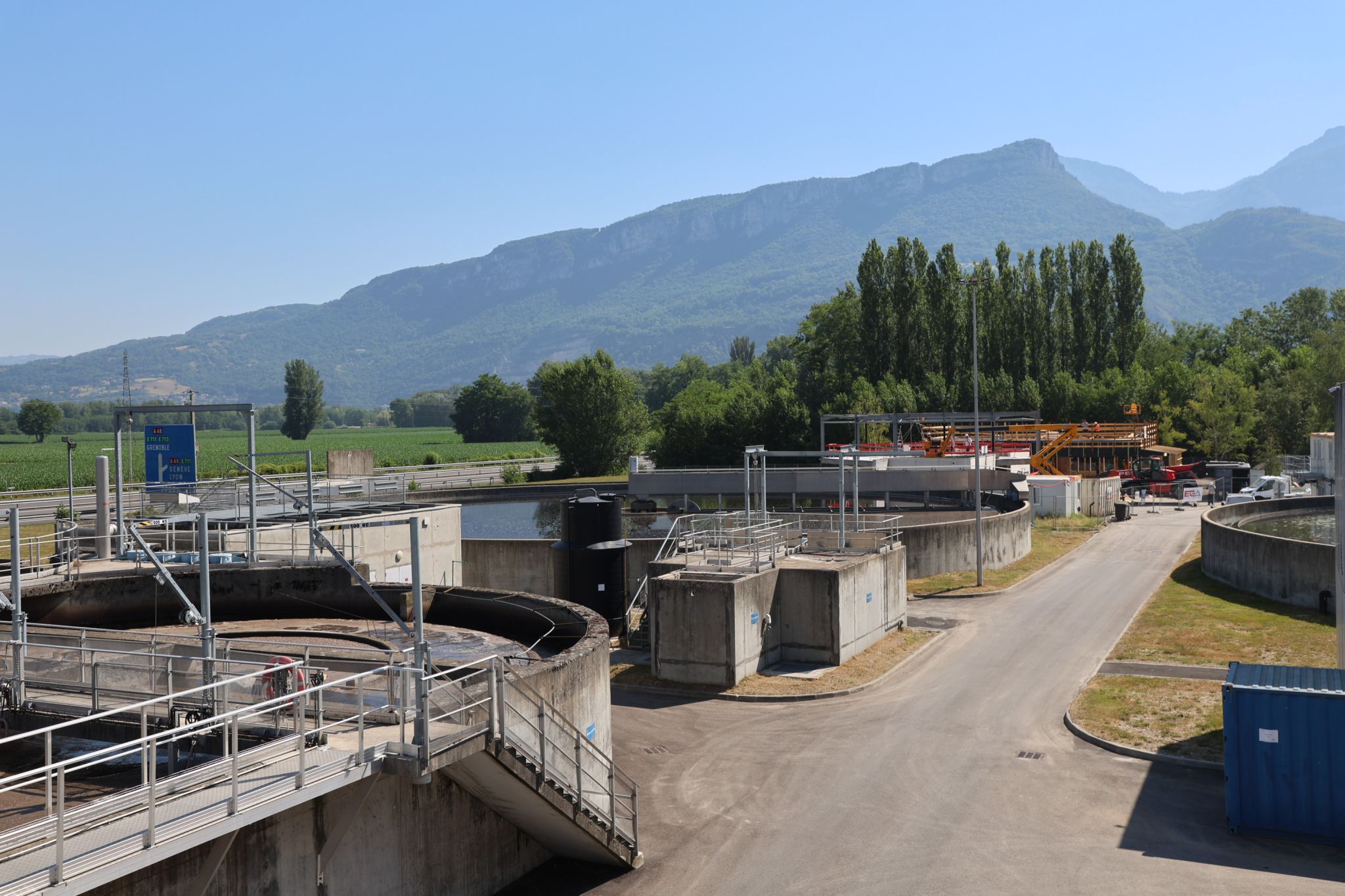
On behalf of the Métropole Européenne de Lille (MEL), our consortium is currently carrying out the modernization works at the Wattrelos wastewater treatment plant to meet the region’s growing needs and comply with new regulatory requirements. By combining increased capacity, optimized stormwater management and renewable energy production, this infrastructure will embody a model of environmental excellence and provide a sustainable response to urban and ecological challenges.
The challenges
The modernization of the wastewater treatment plant is designed to keep pace with the MEL’s demographic and urban growth, while guaranteeing an efficient service for its residents.
By producing renewable energy using biomethane and solar panels, the station contributes to the decarbonization of the region.
By optimizing stormwater management, the new infrastructure strengthens its resilience to extreme hydrometeorological events.
A modern, robust and environmentally-friendly facility capable of recovering effluent from 511,500 population equivalents over the long term.
Our solutions
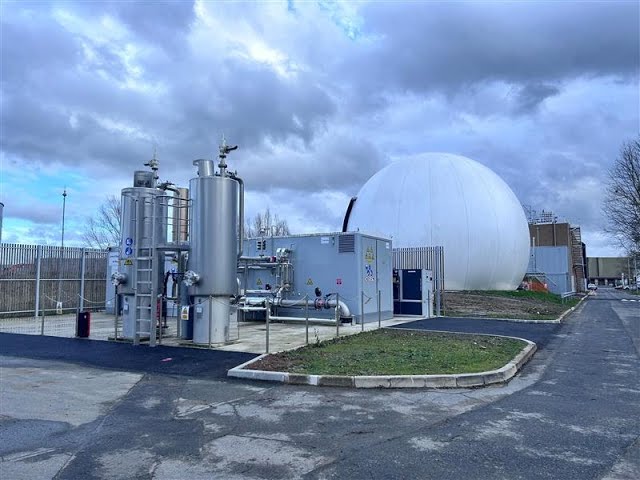
To support the region’s energy transition and decarbonization, the future plant will produce more energy than it consumes, thanks to high-performance installations: 6,000 m² of photovoltaic panels, hydroelectric turbines, and the energy recovery of sludge from the treatment process. Biomethane production will be equivalent to the annual gas consumption of 2,800 inhabitants, while thermal recovery of dried sludge will heat up to 1,500 homes.
The plant also anticipates future challenges by integrating pre-installation of innovative solutions such as micropollutant treatment and reuse of treated wastewater (REUT), thus meeting future regulatory requirements. Finally, the integration of state-of-the-art digital systems such as BIM for real-time monitoring enables treatment processes to be optimized, ensuring efficient, sustainable operation.
Benefits
Extraordinary treatment capacity of 86,400 m3/day.
Reduced wastewater treatment costs thanks to energy recovery from sludge.
Reducing the site’s environmental impact.
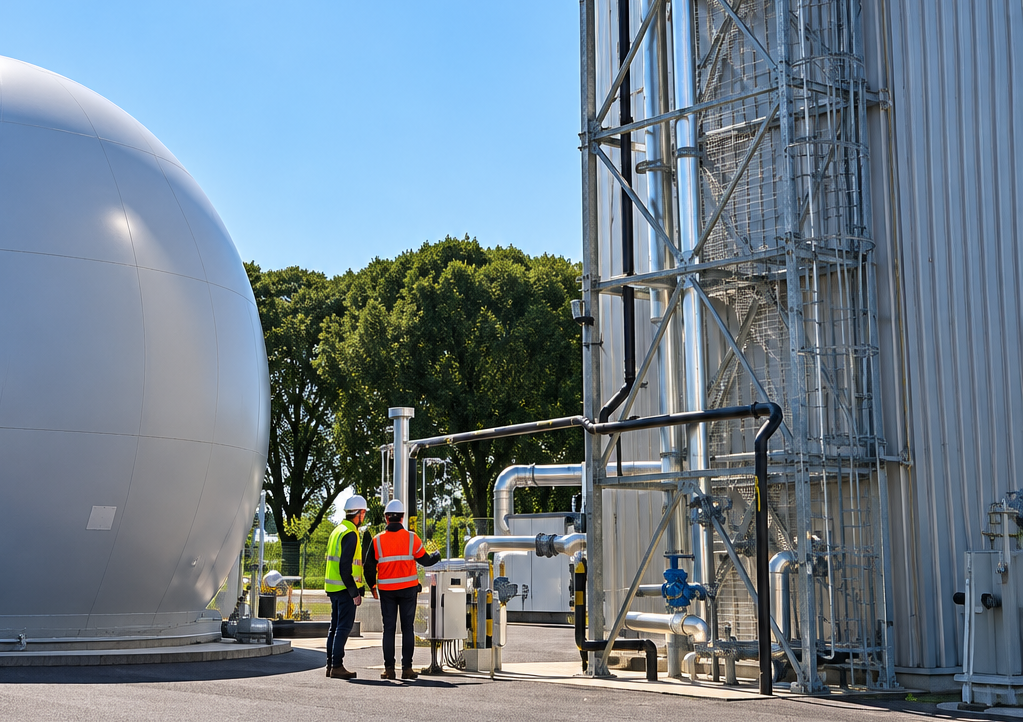
Improved reliability and performance thanks to the use of a metal digester.
Integration of digital systems (BIM) and ISO 55 001 certification to ensure real-time monitoring, optimized management and a sustainable infrastructure for the community.
“A pioneer in green innovation, the Castres methanization plant transforms wastewater into renewable energy."
2 400 m3
Treatment capacity
511 500
population equivalents
a plant
100%
completly autonomous
Other achievements
Sludge recovery, Wastewater|Northern France and Paris Region