Saint-Thibault-des-Vignes: Turning Wastewater Sludge into Renewable Energy
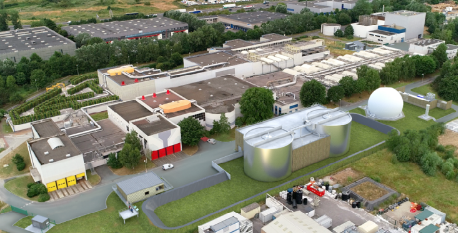
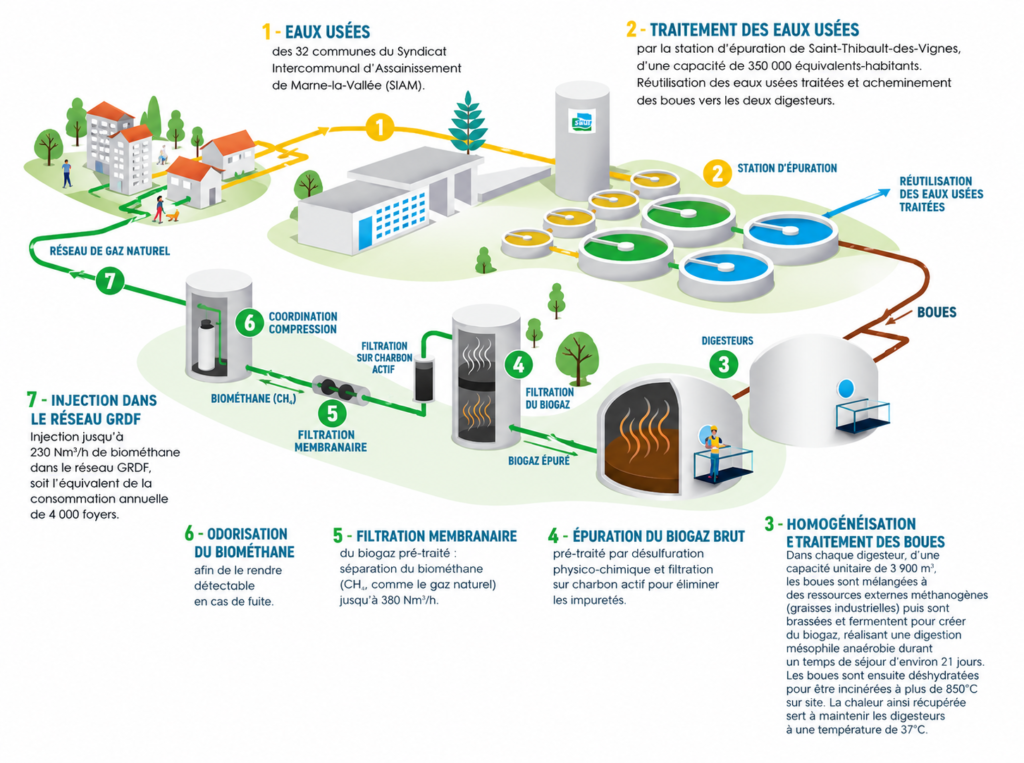
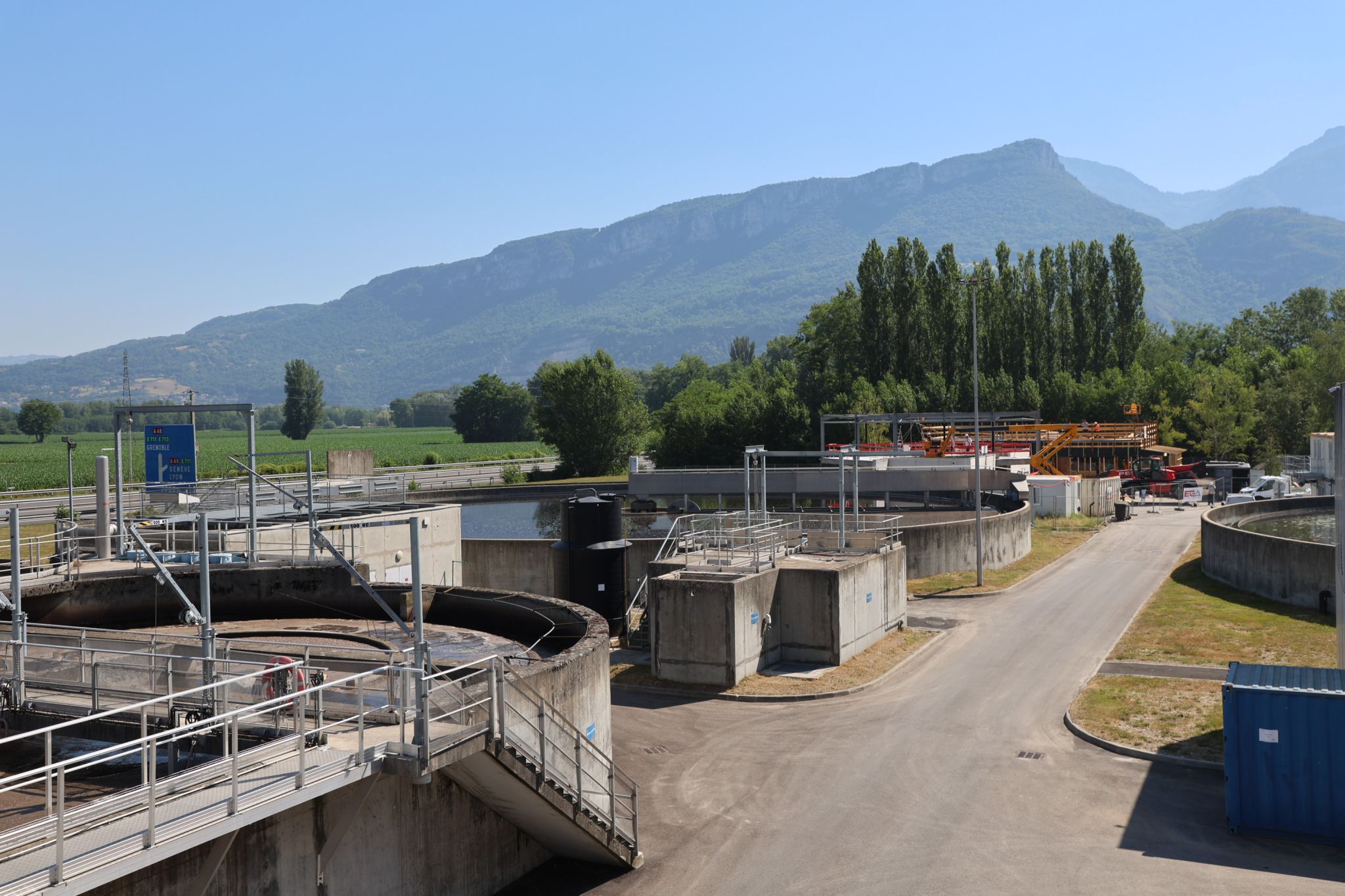
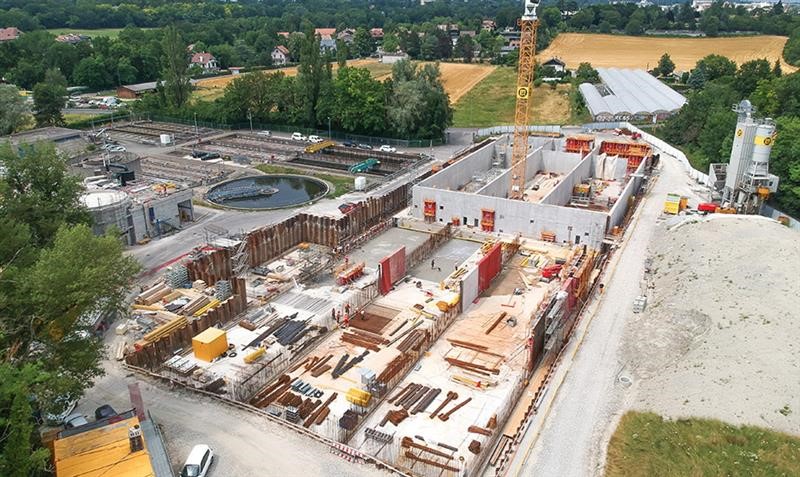
With a capacity of 350,000 population equivalents (PE), the Saint-Thibault-des-Vignes wastewater treatment plant treats wastewater from 32 municipalities served by the Marne-la-Vallée Intermunicipal Sanitation Authority (SIAM). To enhance the recovery of wastewater sludge, SIAM entrusted Stereau with the development of a co-digestion facility that converts sludge and externally sourced fats into biogas, which is then upgraded into biomethane for injection into the natural gas grid. Commissioned in 2025, this facility helps integrate the plant into a circular economy and energy transition approach. The plant also incorporates a treated wastewater reuse solution for on-site industrial applications, helping preserve drinking water resources.
The challenges
Recover energy from wastewater sludge and externally sourced fats through a co-digestion process.
Convert the biogas produced into biomethane for injection into the natural gas grid.
Optimize the facility’s energy performance by recovering heat from sludge incineration to heat the digesters.
Ensure the reliability of the biogas treatment and recovery process, through to its injection into the GRDF natural gas grid.
Preserve drinking water resources by reusing treated wastewater for on-site industrial applications.
Our solutions
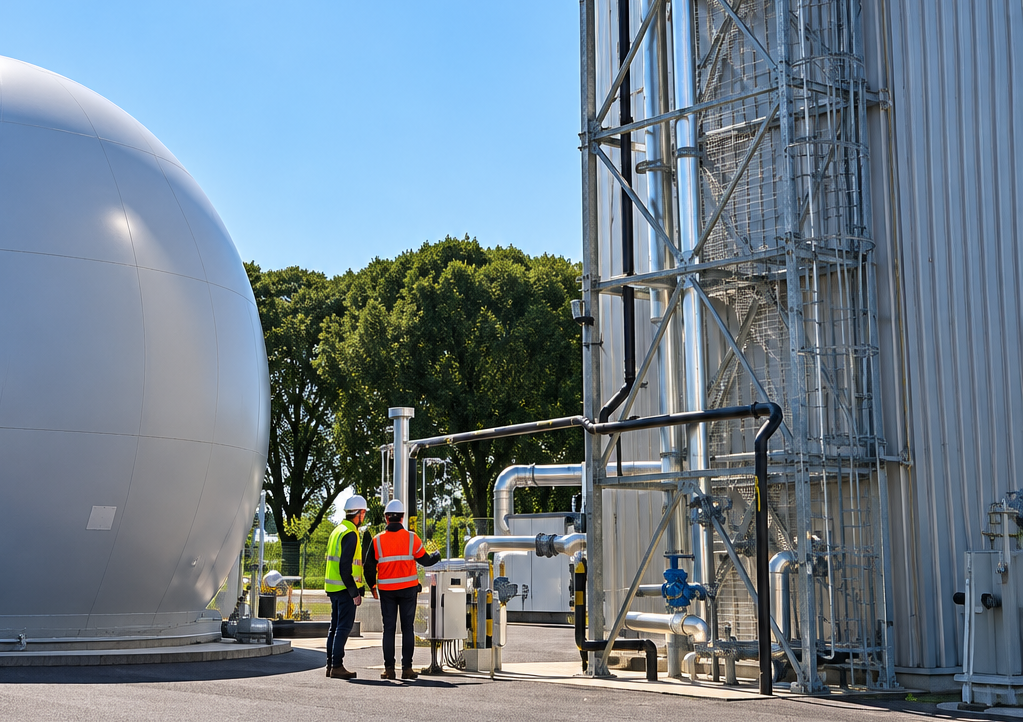
Stereau delivered the co-digestion and biogas recovery facility, including the construction of two 3,900 m³ digesters. Sludge from the wastewater treatment plant is mixed with externally sourced fats, then mixed and fermented in the digesters to produce biogas. The scope of work also includes the treatment of dewatering return streams.
The biogas is then pretreated to remove impurities and purified through membrane filtration to separate the biomethane. After compression and odorization, the biomethane is injected into the GRDF natural gas grid.
To optimize the facility’s energy performance, Stereau designed a system to recover residual heat from the sludge incineration furnace and use it to maintain the digesters at the required temperature. A heat pump provides backup heating when needed. The project also includes integrating the new equipment into the existing control and monitoring system.
In addition, the wastewater treatment plant features a treated wastewater reuse system for on-site industrial applications. It combines the Saur Group’s patented CarboPlus® process with an ultrafiltration stage. This combination treats wastewater for reuse, helping reduce reliance on drinking water supplies.